Manchester, NH · Merrimack Valley
Water Damage Restoration Manchester, NH
24/7 water damage restoration in Manchester, NH. The restoration team extracts standing water, dries the structure to the IICRC S500 standard and documents every step for your insurance claim.
(888) 670-6527Call now to stop the water spreading- 24/7 dispatch
- IICRC S500 drying standard
- Daily moisture readings
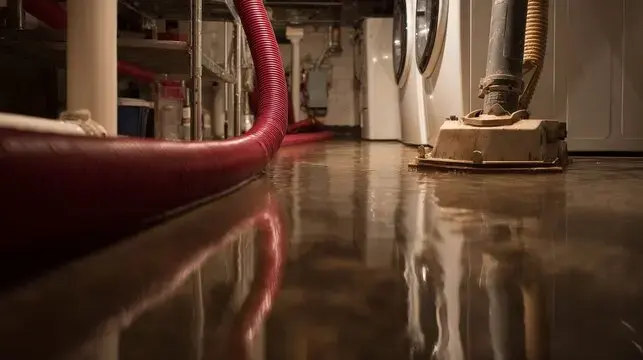
The first 60 minutes
What to do while the water is still moving
- 01
Shut the main
The valve usually sits on the front basement wall where the water line comes in.
- 02
Kill wet circuits
Only if the panel is dry. Stay out of standing water near outlets.
- 03
Photograph first
Every wet room, before anything is moved or thrown out.
- 04
Lift and move
Rugs, boxes and cushions off the floor, furniture onto blocks.
- 05
Then call
Extraction inside the first day saves the most material.
The 24 to 48 hour window: mold can start growing on wet drywall, carpet pad and framing inside 24 to 48 hours, which is why the drying plan starts the day the water does.
What the local pros handle
Water Damage Restoration Services in Manchester, NH
Water and sewage only, from the first extraction pass to the final dry reading, across the city and the nearby Merrimack Valley towns.
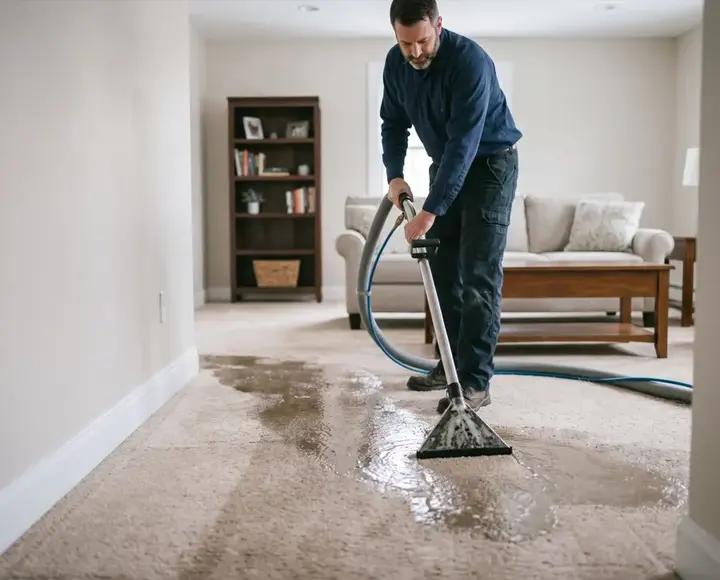 No. 01Category 1 to 3Water ExtractionTruck-mounted pump-out of standing water, the first move on every loss in the city.View service
 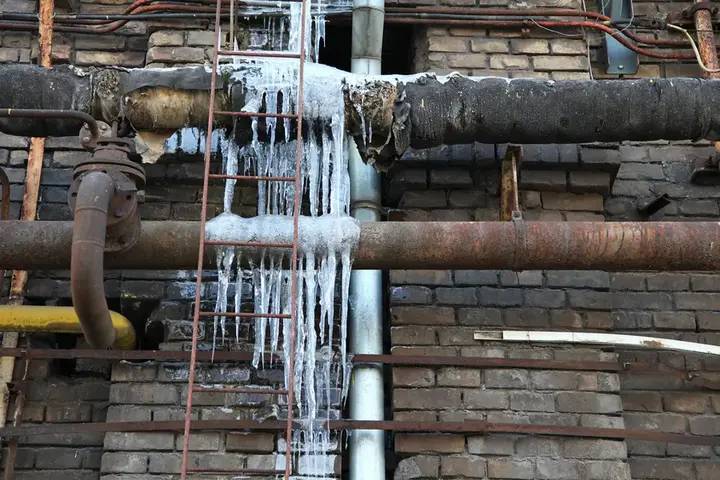 No. 02Category 1Frozen Pipe CleanupLines that split in an outside wall or on a back porch, dried inside the cavity.View service
 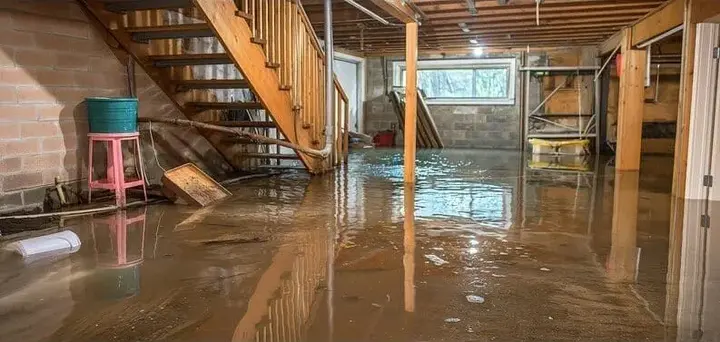 No. 03Category 1 to 3Basement Flooding CleanupWater on the basement floor pumped out, sorted by category and dried to a reading.View service
 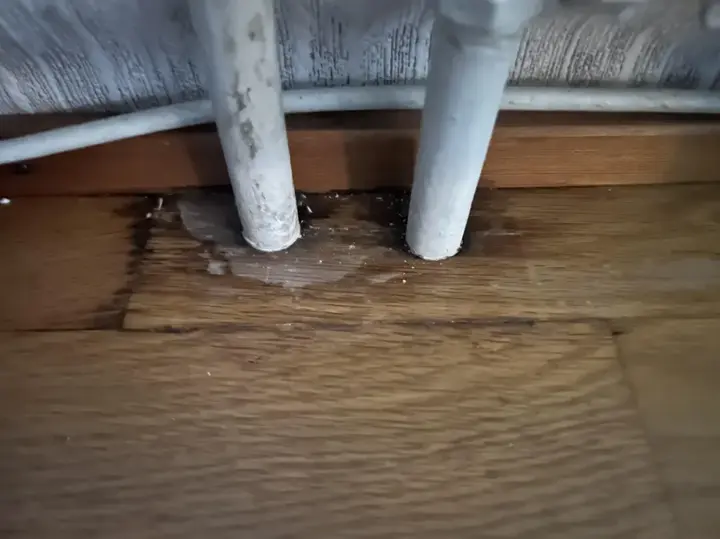 No. 04Category 1 to 2Radiator & Boiler Leak CleanupSteam and hot-water heat that leaks into floors, ceilings and the unit below.View service
 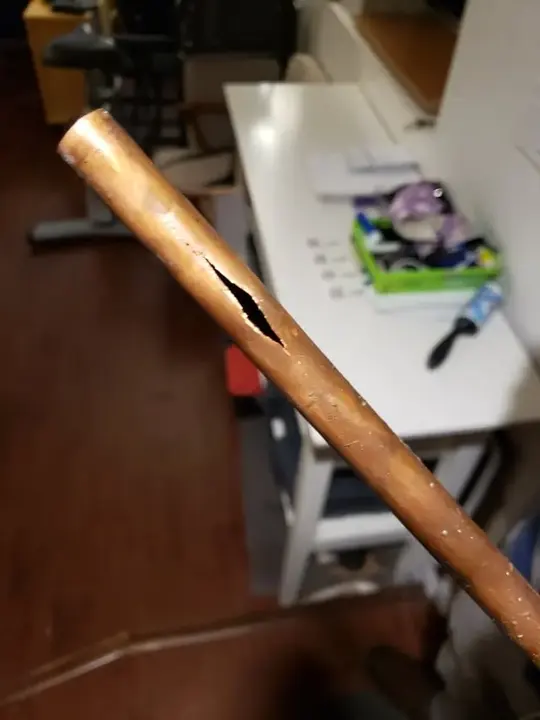 No. 05Category 1Burst Pipe CleanupFailed fittings and tired galvanized lines, extracted and dried wall by wall.View service
 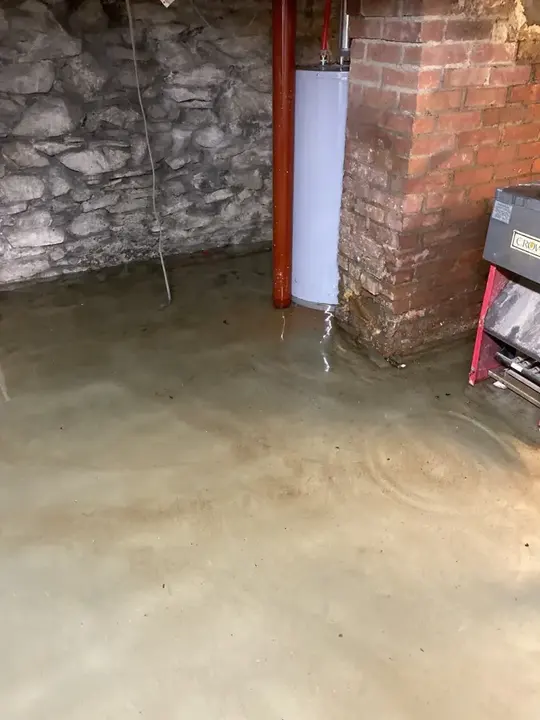 No. 06Category 2Foundation Seepage CleanupSpring thaw water pushing through fieldstone and brick foundation walls.View service
 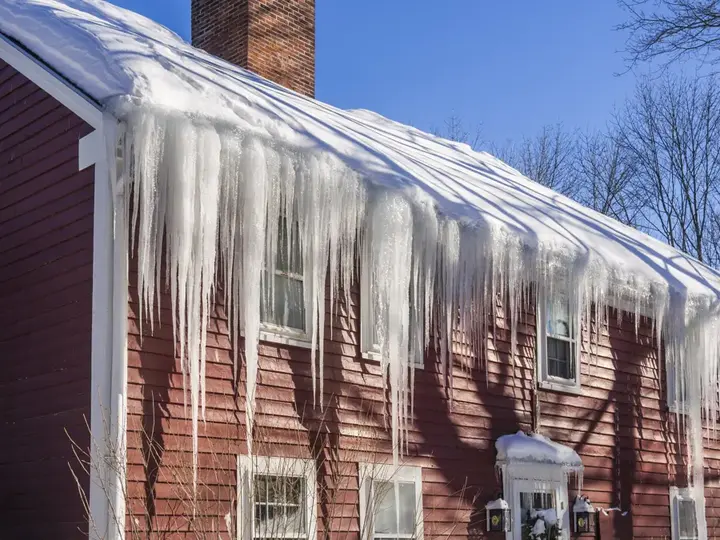 No. 07Category 1 to 2Ice Dam Water DamageRoof-edge ice that backs meltwater into walls, ceilings and insulation.View service
 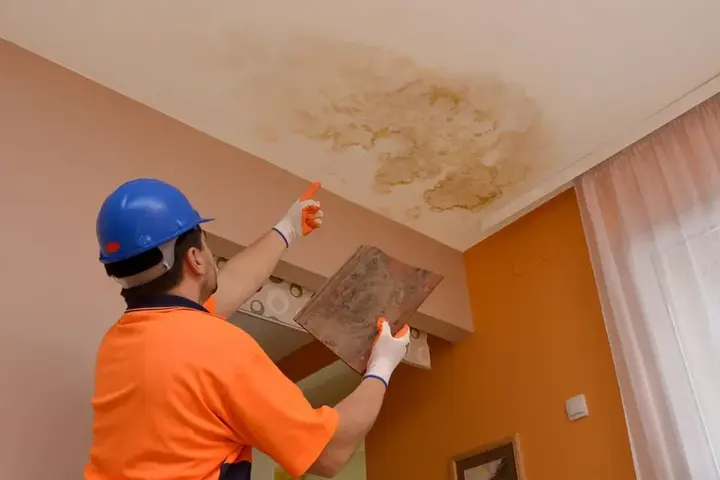 No. 08Category 1 to 2Ceiling Leak Water DamageA bath, laundry or unit upstairs leaking through plaster and drywall below.View service
 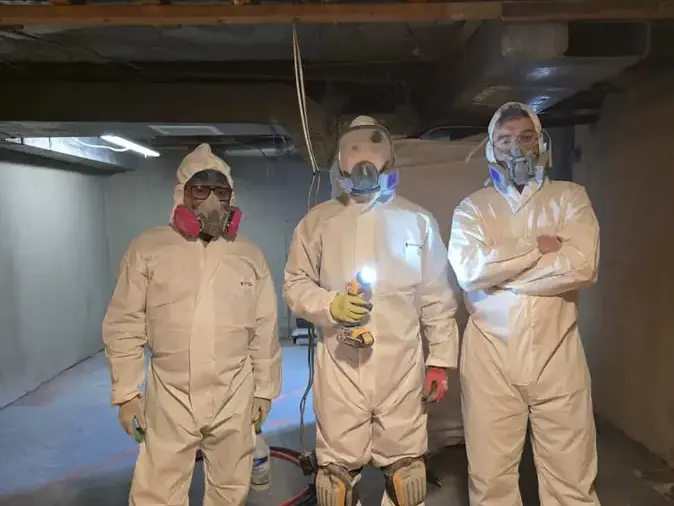 No. 09Category 3Sewer Backup CleanupFloor-drain backups contained, porous materials removed, surfaces treated.View service
 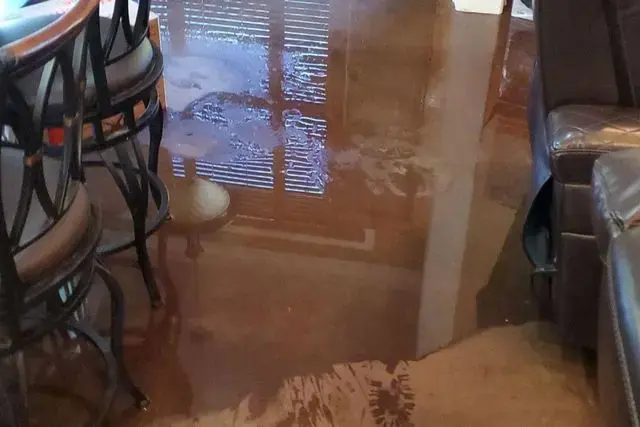 No. 10Category 2Sump Pump Failure CleanupA dead or overwhelmed pump floods the pit corner, then the rest of the basement.View service
 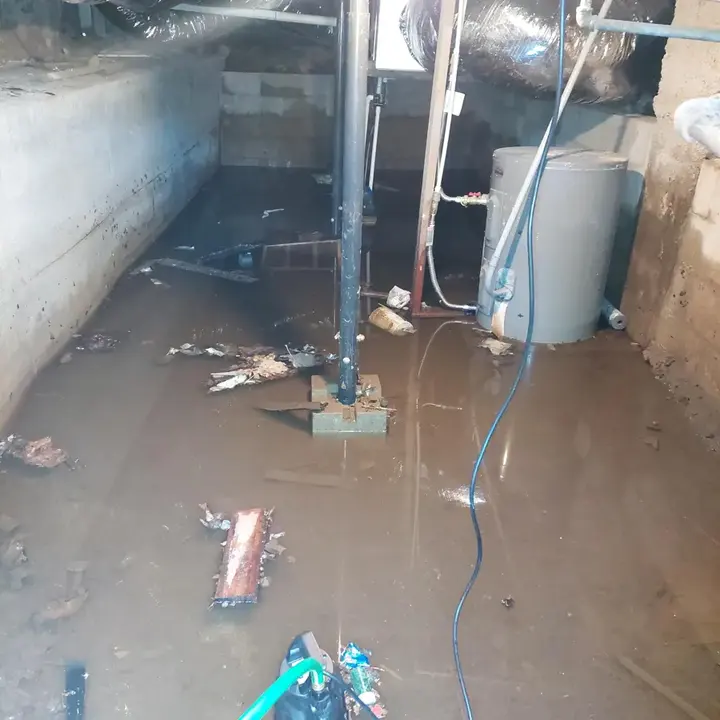 No. 11Category 1Water Heater Failure CleanupA ruptured tank in the basement or utility closet, pulled up before it wicks.View service
 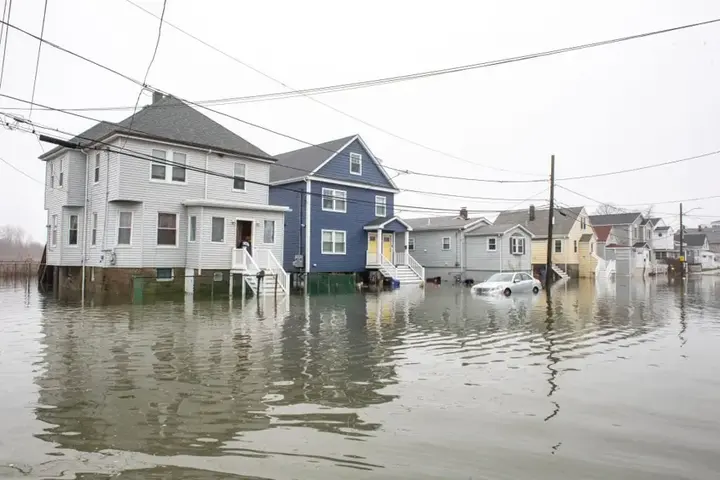 No. 12Category 3River & Storm Flood CleanupMerrimack, Piscataquog and Cohas Brook high water and summer cloudbursts.View service
 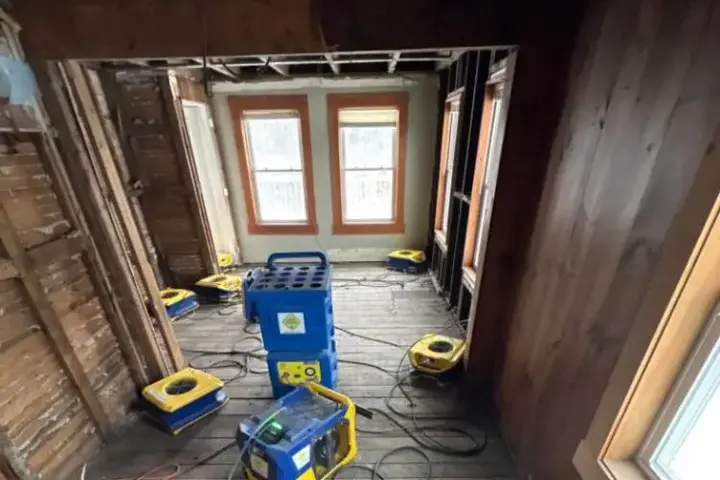 No. 13All classesStructural DryingFraming, subfloor, plaster and cavities dried to the IICRC S500 goal.View service
 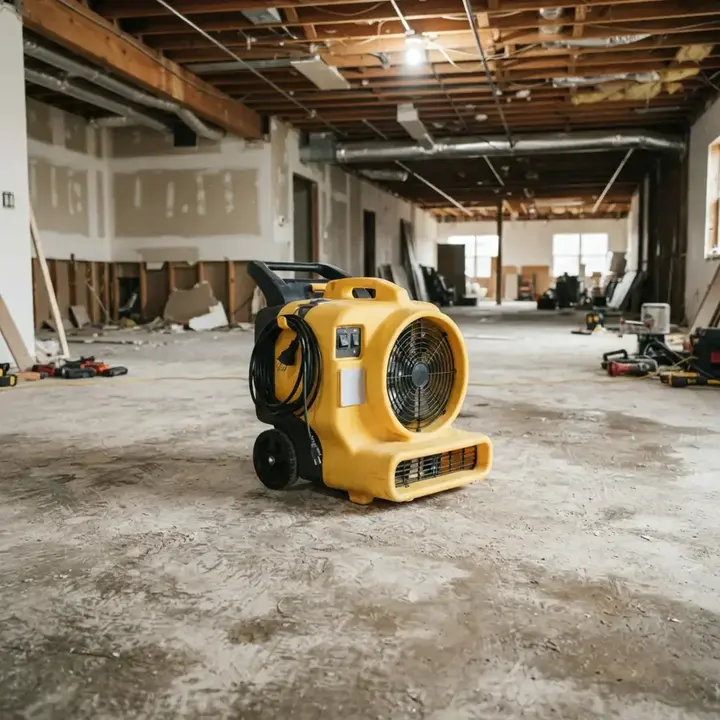 No. 14Category 1 to 3Commercial Water DamageMill buildings, offices, storefronts and apartment blocks dried with less downtime.View service
 How the dry-out works
Water damage dried to the IICRC S500 standard
Structural drying, not just surface drying. The order of the work is what separates a finished dry-out from a cosmetic one.
- Truck-mounted extraction
- LGR dehumidifiers
- Daily moisture readings
- Claim-ready drying logs
- 1
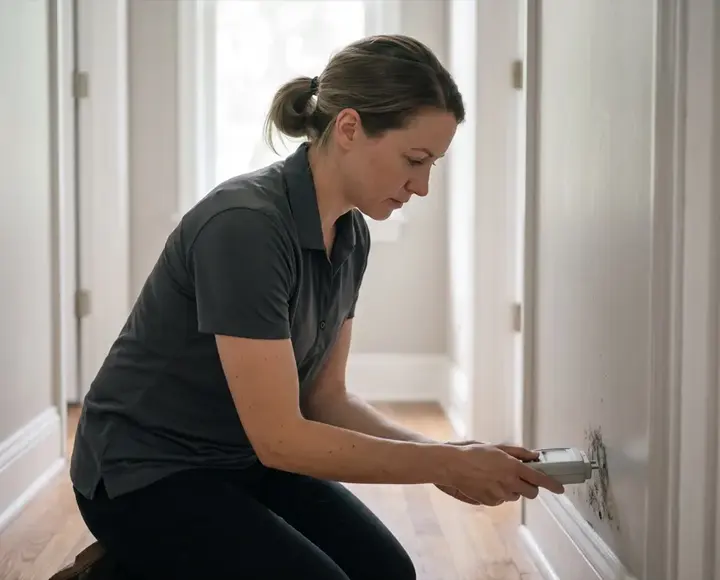
Moisture mapping
The tech who does the walkthrough maps wet materials with pinless meters and thermal imaging before any equipment goes down.
- 2
Extraction
The extraction crew pulls standing water with truck-mounted units, so it leaves the building instead of moving to the next room.
- 3
Air movers and LGR dehumidifiers
The drying team sets air movers to each room's evaporation load; desiccants handle dense Class 4 materials like plaster and hardwood.
- 4
Daily readings
Moisture and psychrometric readings are logged every day and the plan changes when the numbers do.
- 5
Dry verification
Equipment comes out when wet materials read within 2 to 4 points of a dry reference material, not when the surface looks dry.
Water categories
All water damage categories covered in Manchester, NH
Category 1, 2 and 3 water are handled differently, and the category decides what can be dried and what has to go.
Category 1, clean water
A burst supply line, a water heater or a frozen pipe. Caught fast, most materials are extracted and dried in place.
Category 2, gray water
Washer drains, radiator water and spring seepage. Soaked pad and some porous materials usually come out.
Category 3, black water
Sewer backups and floodwater. Contained, porous materials removed, surfaces treated. Sewer backup cleanup
Drying timeline
How long a Manchester dry-out takes, and the drying goal
A contained loss usually dries in three to five days. Plaster on lath, old hardwood and stone foundations take longer. Equipment leaves on readings, not on a schedule: the drying goal is within 2 to 4 points of a dry reference material in the same building.
Typical cost
What does water damage restoration cost in Manchester, NH?
In Manchester, NH, water damage restoration typically runs $1,200 to $12,000 or more, depending on the water category, how far it spread, the material class and how fast drying started.
Contained, one area
$1,200 to $3,500
- Category 1 clean water
- Extraction and three to five drying days
- Little or no material removal
Basement or several rooms
$3,500 to $8,000
- Carpet, pad and lower drywall removed
- Air movers, LGR units, daily readings
- Plaster or ceiling bays opened
Sewage or a major loss
$8,000 to $12,000+
- Category 3 containment and removal
- HEPA air scrubbers and antimicrobial
- Multi-floor structural drying
For a closer planning number, try the water damage cost calculator. The final figure comes from the walkthrough and the moisture map.
Insurance
Documentation for your insurance claim
A water claim is decided on the file. Sudden and accidental discharge, such as a burst supply line or a failed water heater, is treated differently from rising surface water, which falls under flood coverage, and from groundwater or a sewer backup, which often needs its own endorsement.
Coverage depends on your policy, so it is worth checking with your own insurer. The restoration team builds the file as the job runs, so it is ready when the adjuster asks.
What the claim file contains
- The moisture map from day one
- Daily psychrometric and moisture readings
- Timestamped photos taken before any demolition
- The category and class of the loss
- A line-item scope in the format adjusters expect
Gallery
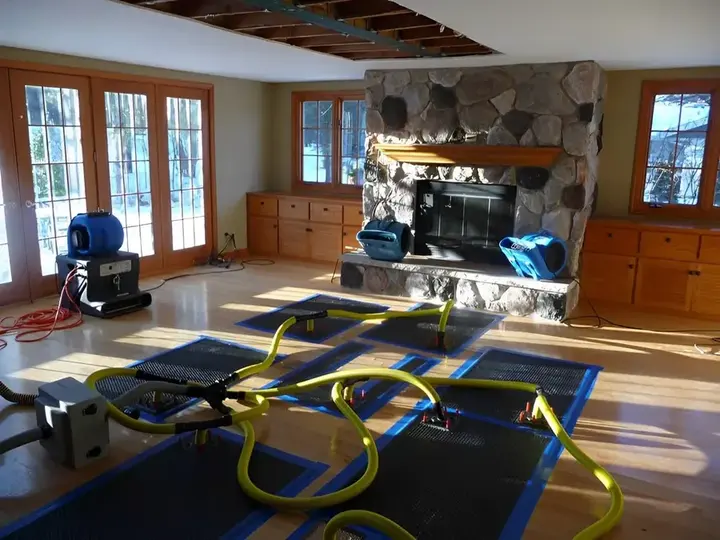
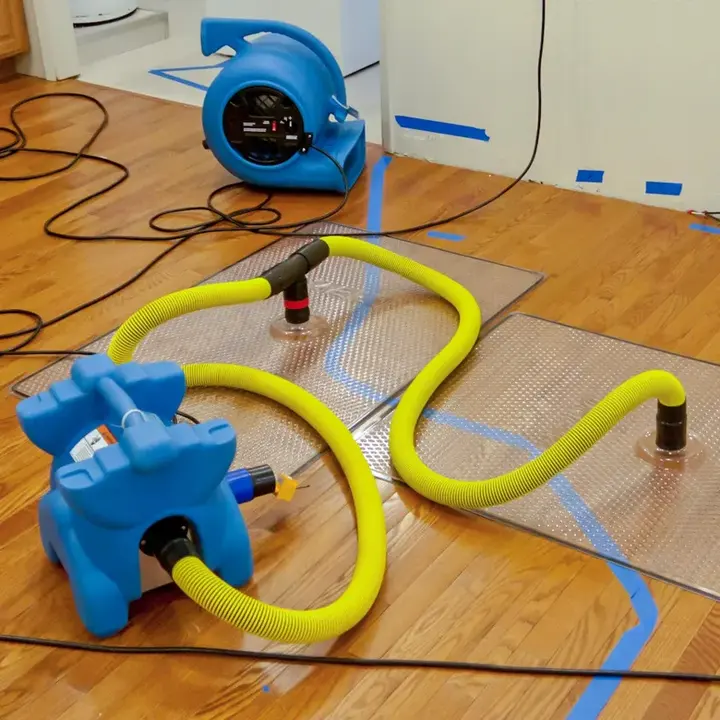
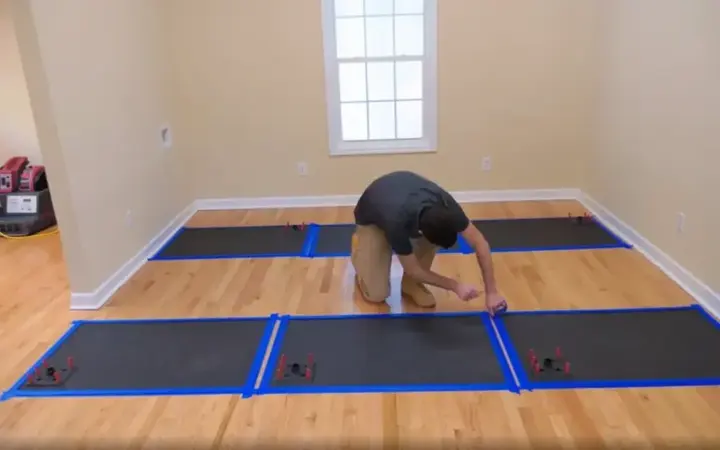
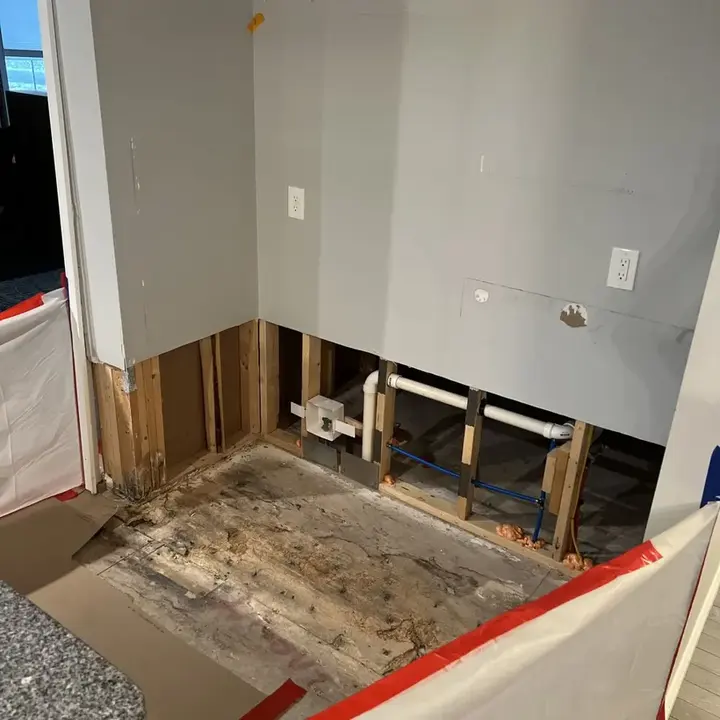
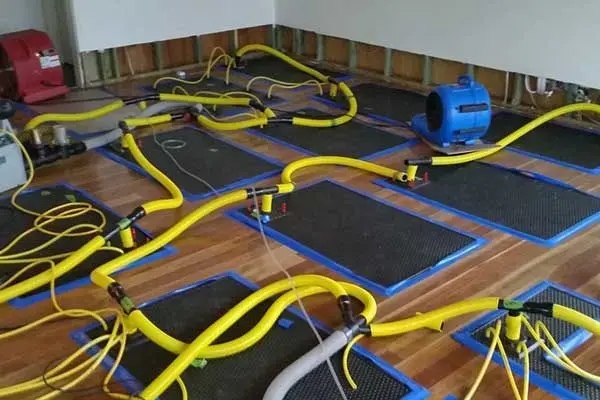
What a water damage dry-out looks like in Manchester
Local conditions
Water damage in Manchester, NH: the local risk profile
A large share of Manchester's housing predates 1940, from West Side triple-deckers to brick rowhouses near the Millyard, and three failure modes drive most losses here.
December to March
Ice dams and frozen lines
Under-insulated attics feed ice dams on older roofs, and supply lines on outside walls, back porches and crawl spaces split in deep cold.
March to May
Spring thaw and high water
Snowmelt over frozen ground and granite ledge pushes groundwater through fieldstone and brick foundations, while the Merrimack, the Piscataquog and Cohas Brook run high.
Year round
Old pipes, radiators and drains
Steam and hot-water radiators, galvanized supply lines and cast iron drains fail with age, and heavy rain can back the combined sewer up through floor drains.
Areas served
Covering every Manchester neighborhood and the nearby towns
Downtown & the Millyard
ZIP 03101
Downtown, Millyard, Hallsville, Bakersville. Brick mill-era blocks, converted mill space and older multi-family buildings with cast iron drains and steam heat.
North End
ZIP 03104
North End, Youngsville, Hanover Hill. Large older houses and triple-deckers where ice dams, attic leaks and radiator lines drive most winter losses.
West Side
ZIP 03102
West Side, Rimmon Heights, Notre Dame, Piscataquog, Granite Square, Corey Square, Gossler Park. Dense triple-decker streets above the Piscataquog, where one leak often reaches two or three units.
South End & Lake Massabesic
ZIP 03103 / 03109
South End, East Side, Lake Massabesic side. Capes and ranches with finished basements, sump pits and spring groundwater near Cohas Brook.
- 03101
- 03102
- 03103
- 03104
- 03105
- 03108
- 03109
- 03111
Nearby towns: Bedford, Goffstown, Hooksett, Auburn, Londonderry, Litchfield, Merrimack. Full service area
Questions
Manchester water damage questions, answered
How fast can a restoration crew reach a Manchester home?
Manchester water damage pros run 24/7 dispatch, and Emergency water calls are treated as urgent, around the clock across the city and the nearby towns. The sooner extraction starts, the more flooring, plaster and framing can be dried instead of replaced.
What should I do in the first hour?
Shut the main water valve, turn off power to wet rooms only from a dry panel, stay out of standing water near outlets, photograph everything before moving it, lift rugs and boxes off the floor, then call. Mold can start inside 24 to 48 hours, so the first day matters.
Is water damage covered by homeowners insurance in New Hampshire?
Sudden and accidental damage, such as a burst pipe or a failed water heater, is often covered. Groundwater, surface flooding and sewer backups are usually treated differently and may need separate coverage. Coverage depends on your policy, so it is worth checking with your own insurer.
What causes most water damage in Manchester?
Frozen and split pipes in winter, ice dams on older roofs, radiator and boiler leaks in older heating systems, spring thaw seepage through fieldstone and brick foundations, and floor-drain backups in the older parts of the city during heavy rain.
How long does drying take?
A contained Class 1 or 2 loss usually dries in three to five days. Plaster, hardwood and stone foundations hold water longer. Equipment comes out when the readings say dry, not on a set day.
What is the IICRC S500 standard?
IICRC S500 is the industry drying standard. It sets how water losses are classified by category and class, how drying is done and how dryness is verified with meters against a dry reference material.
What is the difference between mitigation and repair?
Mitigation stops the damage: extraction, removing what cannot be saved and drying the structure. Repair, such as new drywall, plaster or flooring, is a separate phase that starts only after the structure reads dry.
When does drywall or plaster have to come out?
When it has been touched by Category 3 water, when it is sagging or crumbling, or when the cavity behind it cannot dry any other way. Clean-water losses caught early can often be dried in place.
Why is a sewer backup handled differently?
Sewage is Category 3 the moment it happens. The area is contained with HEPA air scrubbers, porous materials it touched are removed, and surfaces are treated with an EPA-registered antimicrobial before drying.
How is the cost worked out?
By the water category, how much area and how many floors got wet, the materials involved and how fast drying started. The walkthrough and the moisture map set the scope; the cost calculator gives a planning range.
24/7 dispatch
Water in your Manchester home? Call now.
Extraction, structural drying to the IICRC S500 standard and claim-ready documentation, from the North End to the South End and out to the nearby towns.