Winter freeze damage
Frozen Pipe Cleanup in Manchester, NH
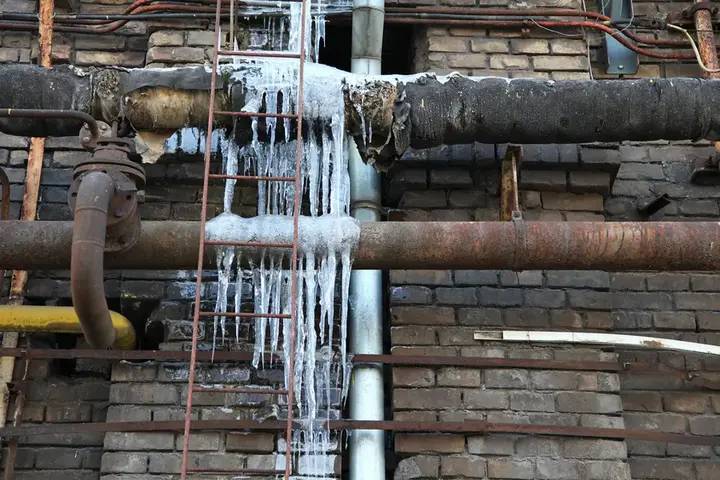
A pipe that froze in January often lets go when it thaws, inside a wall or over a ceiling. The drying team extracts the water and dries the cavity it ran through, not just the floor you can see.
(888) 670-6527Frozen pipe let go? Call the drying team- 24/7 dispatch
- IICRC S500 drying standard
- Daily moisture readings
First steps
What to do first for frozen pipe damage in Manchester
- 01
Shut the main
Close the main shut-off, usually on the basement wall where the water line enters.
- 02
Open the faucets
Drain the system so thawing ice does not push more water into the wall.
- 03
Power off the wet area
Switch off circuits for wet rooms, only from a dry panel.
- 04
Photograph, then call
Picture the stains and the split before anything is opened up.
The process
How frozen pipe damage is handled in Manchester, NH
- 1
Trace the water
Thermal imaging follows the water from the split to every cavity and ceiling it reached.
- 2
Extract every level
The extraction crew pulls water from floors and from the ceilings below the break.
- 3
Open or inject
Small controlled openings or injection drying reach the wet framing inside the wall.
- 4
Dry to the goal
LGR dehumidifiers and air movers run until framing matches the dry reference.
Typical cost
What does frozen pipe cleanup cost in Manchester, NH?
In Manchester, NH, frozen pipe cleanup typically runs $1,000 to $8,000 or more, depending on how long the split ran, how many walls and ceilings the water reached, and whether plaster or drywall has to be opened.
One wall, caught early
$1,000 to $2,500
- Extraction
- Controlled wall openings
- Cavity drying
Wall plus ceiling below
$2,500 to $5,000
- Two-level extraction
- Ceiling and wall drying
- Daily readings
Ran for hours, several rooms
$5,000 to $8,000+
- Multi-room drying
- Plaster or drywall removal
- Full claim documentation
For a closer planning number, try the water damage cost calculator. The final figure comes from the walkthrough and the moisture map.
Manchester winters bring long stretches below freezing, and the city's older housing was not built with modern insulation. Supply pipes that run through an outside wall, under a back porch, over an unheated garage or through a crawl space can freeze solid on a cold night. Ice expands, the pipe splits, and nothing leaks until the thaw. Then a split line can run for hours inside a wall before anyone sees a stain.
Where pipes freeze in Manchester homes
- Kitchen and bath supply lines on exterior walls of older capes and triple-deckers
- Plumbing that feeds the enclosed back porches common on West Side multi-family buildings
- Pipes in crawl spaces and fieldstone basements with drafty sills
- Lines over garages and in knee walls under the roof
- Outside hose bibs left connected after the first hard freeze
The Ready.gov winter weather page covers how to keep pipes from freezing: let faucets drip on the coldest nights and open sink cabinets on outside walls so heat reaches the pipes.
How frozen pipe water damage is dried
Because the split usually sits inside a wall or ceiling, the water goes where you cannot see it. The tech who does the walkthrough traces it with thermal imaging and pinless meters, then the extraction crew pulls water from the floors and the ceilings below. Wall cavities get opened in small, controlled spots or drilled for injection drying rather than torn out wholesale. Air movers and LGR dehumidifiers run until the framing reads dry against a dry reference in the same house.
Old plaster and lath hold water longer than drywall, so a plaster wall often needs more drying days. The drying team checks it daily rather than guessing.
Frozen pipe, burst pipe: why the distinction matters
A freeze split and a pipe that fails from age or pressure need the same cleanup, but the cause goes in the claim file. Freeze damage in a heated home is usually treated as sudden and accidental. If the heat was off or the house was vacant, a policy may read it differently. For failures that have nothing to do with cold, see burst pipe cleanup.
Found a frozen pipe that has not burst yet? Leave the faucet open, warm the area gently with a hair dryer or space heater kept away from anything flammable, and never use an open flame.
Service area
Covering Manchester and the nearby Merrimack Valley towns
The Manchester restoration team covers every ward of the city, from the North End and the Millyard to the West Side, the South End and the Lake Massabesic side.
Coverage also reaches Bedford, Goffstown, Hooksett, Auburn, Londonderry, Litchfield and Merrimack, ZIP codes 03101, 03102, 03103, 03104, 03105 and nearby.
See every neighborhood and ZIP codeRelated
Related water damage services in Manchester
Questions
Frozen Pipe Cleanup questions, answered for Manchester
Why did my pipe leak days after the cold snap?
Ice plugs the split while the pipe is frozen. The leak starts when it thaws, which is why frozen pipe damage often shows up on the first warm day.
Can the walls be dried without tearing them out?
Often. Small controlled openings or injection drying reach the wet cavity, and meters confirm when the framing is dry. Soaked insulation inside the wall is usually removed.
Does frozen pipe damage count as sudden and accidental?
In a heated, occupied home it usually does. Coverage depends on your policy, so it is worth checking with your own insurer, especially if the house was vacant or the heat was off.
Which pipes freeze most in Manchester?
Supply lines on exterior walls, pipes feeding enclosed back porches, crawl-space and garage plumbing, and hose bibs that were never shut off for winter.
How long does frozen pipe water damage take to dry?
A contained loss often dries in three to five days. Plaster walls, hardwood and multi-level losses take longer, and the drying team decides from daily readings.
Should I call a plumber or a restoration company first?
Shut the water off first. The pipe needs a plumber, and the water in the structure needs extraction and drying; the two jobs run side by side.
24/7 dispatch
Frozen Pipe Cleanup in Manchester? Call now.
The restoration team extracts, dries to the IICRC S500 goal and documents the loss for the claim file, across the city and the nearby towns.