Surface flooding
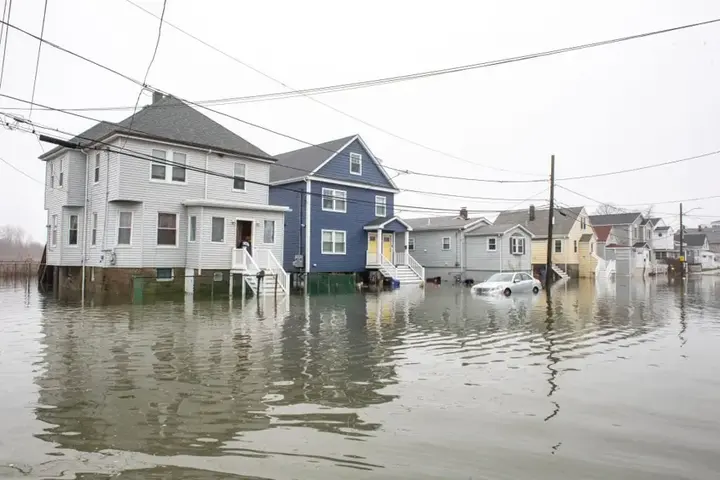
River and Storm Flood Cleanup in Manchester, NH
Floodwater from outside carries mud, fuel and sewage, so it is Category 3. The response team extracts it, removes what it soaked, disinfects and dries the building to the drying goal.
(888) 670-6527Flooded? Get Manchester flood cleanup going- 24/7 dispatch
- IICRC S500 drying standard
- Daily moisture readings
First steps
What to do first for flood water in Manchester
- 01
Stay out until safe
Wait for the water to drop and never walk through moving water.
- 02
Keep the power off
Do not switch anything on until an electrician clears it.
- 03
Photograph the waterline
Capture the height on walls, doors and furniture.
- 04
Call for cleanup
Category 3 water needs protective gear and disinfection.
The process
How flood water is handled in Manchester, NH
- 1
Assess and contain
The response team checks safety and sets containment where needed.
- 2
Muck out and extract
Silt and water come out, then porous materials are removed.
- 3
Clean and disinfect
Hard surfaces get an EPA-registered antimicrobial at its dwell time.
- 4
Dry and document
Structural drying runs with daily logs for the flood claim.
Typical cost
What does river and storm flood cleanup cost in Manchester, NH?
In Manchester, NH, river and storm flood cleanup typically runs $4,000 to $25,000 or more, depending on the depth of water, how many rooms and floors it reached, and how much material has to be removed.
Basement only
$4,000 to $9,000
- Silt removal and extraction
- Porous materials removed
- Antimicrobial and drying
Basement plus first floor
$9,000 to $18,000
- Flood cuts and demolition
- Containment
- Structural drying
Deep or whole building
$18,000 to $25,000+
- Full gut of wet areas
- Extended drying
- Flood claim documentation
For a closer planning number, try the water damage cost calculator. The final figure comes from the walkthrough and the moisture map.
Manchester sits where the Piscataquog joins the Merrimack, with Cohas Brook draining the south end of the city. The Merrimack flood of March 1936 reshaped the riverfront, and the 2006 Mother's Day flood soaked much of southern New Hampshire. Big river floods are rare, but summer cloudbursts that overwhelm storm drains, and low spots along the brooks, put water into basements and first floors far more often.
Why floodwater is always Category 3
Water that comes in from outside has run across streets, lawns and parking lots and often through overflowing sewers. It carries soil, fuel, lawn chemicals and bacteria. That makes it Category 3 no matter how clear it looks, and it changes the cleanup:
- The crew works in protective gear, with containment where needed
- Carpet, pad, insulation, drywall and other porous materials the water touched are removed
- Mud and silt are shoveled and extracted before cleaning
- Hard surfaces are cleaned and treated with an EPA-registered antimicrobial
- Structural drying runs last, with daily readings
After a flood in Manchester
Do not go back in until the water is down and the building is safe. Keep power off until an electrician says it is safe, and do not run furnaces, boilers or water heaters that sat in floodwater until a technician checks them. Photograph everything, including the waterline on the walls, before anything is thrown out. The FEMA flood map service shows mapped flood zones, and Ready.gov covers safe re-entry after a flood.
Flood coverage is usually separate
Standard homeowners policies generally exclude surface flooding; flood coverage comes from a separate flood policy. The claim file needs the waterline photos, the category, the list of removed materials and the drying logs. Water that came up through a floor drain is covered on the sewer backup page, and groundwater through the walls on the foundation seepage page.
Floodwater in the house? Stay out until it is safe, keep the power off, and photograph the waterline before anything is moved.
Service area
Covering Manchester and the nearby Merrimack Valley towns
The Manchester restoration team covers every ward of the city, from the North End and the Millyard to the West Side, the South End and the Lake Massabesic side.
Coverage also reaches Bedford, Goffstown, Hooksett, Auburn, Londonderry, Litchfield and Merrimack, ZIP codes 03101, 03102, 03103, 03104, 03105 and nearby.
See every neighborhood and ZIP codeRelated
Related water damage services in Manchester
Questions
River and Storm Flood Cleanup questions, answered for Manchester
Is river or storm flooding covered by homeowners insurance?
Usually not. Surface flooding is generally covered by a separate flood policy. Coverage depends on your policy, so it is worth checking with your own insurer.
Why does clear floodwater count as Category 3?
Floodwater from outside picks up soil, fuel, chemicals and sewage along the way, so it is treated as contaminated whatever it looks like.
Can drywall be dried after a flood?
No. Drywall and insulation touched by Category 3 water are removed, usually with a flood cut above the waterline.
Where does Manchester flood?
Low spots along the Merrimack and Piscataquog, areas near Cohas Brook, and streets where storm drains back up during cloudbursts.
Can my furnace be used after a flood?
Not until a qualified technician checks it. Appliances that sat in floodwater can be unsafe.
How long does flood cleanup take?
Removal and disinfection often take one to three days, then drying runs until readings reach the goal.
24/7 dispatch
River and Storm Flood Cleanup in Manchester? Call now.
The restoration team extracts, dries to the IICRC S500 goal and documents the loss for the claim file, across the city and the nearby towns.